11 Types Of Car Accident Compensation You May Be Eligible For
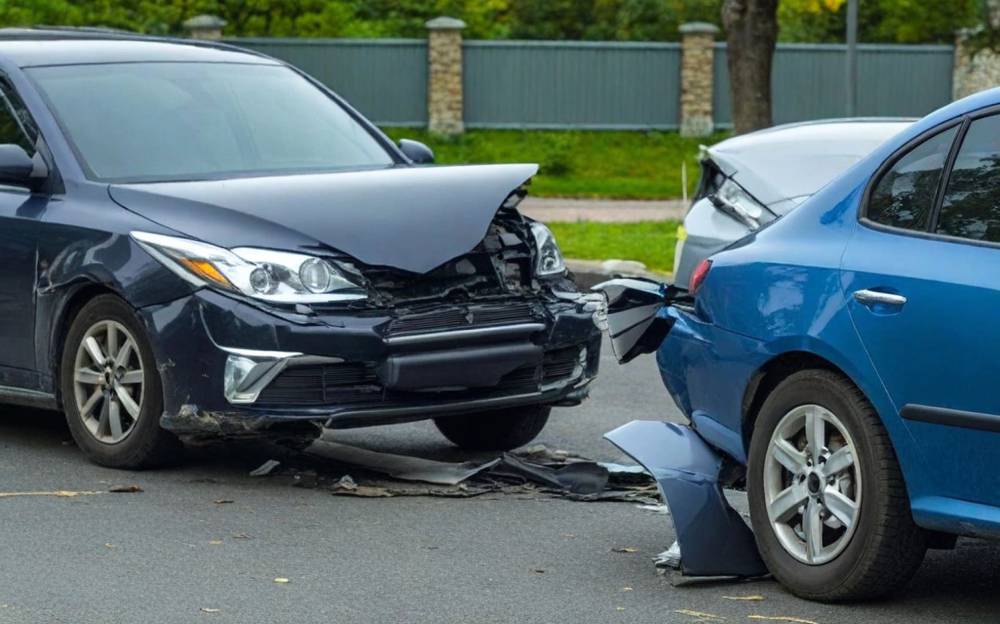
Car accidents often leave more than just physical damage. They can impact finances, employment, and emotional health long after the crash. In many cases, understanding the types of compensation that you may be eligible for after a car accident can help you recover more than what insurance initially offers.
The right compensation for car accidents can cover medical bills, property damage, lost income, and emotional suffering. Knowing your rights and the available options helps you take control of your recovery and protect your future.
Understanding Compensation After a Car Accident
After an accident, financial losses can extend far beyond repair costs. Victims often face mounting medical bills, time away from work, and ongoing pain. Car accident injury compensation is designed to offset these losses by holding the at-fault party financially responsible.
Compensation can come from insurance claims or personal injury lawsuits. Each type of compensation addresses specific damages, from medical costs to emotional distress. Understanding these categories helps accident victims pursue fair outcomes that reflect the full scope of their suffering and financial strain.
Medical Expenses
Medical expenses are often the most immediate financial concern following a car accident. Compensation typically covers hospital bills, emergency room visits, surgeries, rehabilitation, and prescription medications. Even minor injuries can become expensive when ongoing therapy or specialized care is required.
Victims should keep detailed medical records, receipts, and doctor statements. These documents establish the connection between the injury and the accident. A knowledgeable car accidents lawyer can review your treatment history and help you pursue reimbursement for both current and future medical costs.
Lost Wages
When injuries prevent you from returning to work, lost income becomes a significant concern. Compensation for lost wages covers the money you would have earned during your recovery. For some, this includes overtime pay, tips, or bonuses that were missed due to the accident.
Your employer’s documentation can help verify income losses. A personal injury attorney can use these details to calculate fair compensation. This type of recovery aims to stabilize your financial situation while you focus on recovery.
Loss of Future Earning Capacity
Some injuries lead to long-term or permanent disabilities. In these cases, you may no longer be able to perform your previous job duties or maintain the same level of income. Compensation for loss of future earning capacity addresses this gap.
It accounts for your projected lifetime earnings, based on factors like age, skill level, and work history. Lawyers and financial experts often work together to estimate these losses and present them in court or during settlement negotiations.
Property Damage
Vehicle damage is one of the most visible impacts of a car accident. Compensation for property damage typically includes repairs or the fair market value of the car if it is deemed a total loss.
In some cases, victims can also recover the cost of personal property inside the vehicle, such as a phone, computer, or child car seat. Documentation, photos, and repair estimates help support property damage claims and strengthen your position during settlement discussions.
Pain and Suffering
Not all injuries are visible. Pain and suffering compensation recognizes the physical discomfort and emotional distress caused by a crash. This includes long-term pain, mental anguish, anxiety, depression, or loss of enjoyment in life.
The amount awarded often depends on the severity of injuries and how they affect daily life. Medical records, therapy notes, and personal statements are valuable evidence. A skilled personal injury lawyer can argue for a fair valuation that reflects the true extent of your suffering.
Emotional Distress
Emotional distress differs from pain and suffering because it focuses on psychological harm. After a serious accident, victims may experience trauma, flashbacks, or post-traumatic stress disorder (PTSD).
Courts and insurance companies recognize that emotional injuries can be just as damaging as physical ones. Compensation may include therapy costs, counseling, or psychiatric treatment. Proving emotional distress usually involves professional medical evaluations and consistent documentation.
Loss of Consortium
When a severe injury affects a victim’s personal relationships, their spouse or partner may also have grounds for compensation. Loss of consortium refers to the loss of companionship, affection, or intimacy resulting from the accident.
This type of claim is typically filed by a spouse and acknowledges that serious injuries can disrupt family dynamics. While financial compensation cannot replace emotional loss, it helps recognize the deep personal toll caused by the incident.
Disfigurement or Permanent Disability
Permanent scarring, disfigurement, or disability often leads to lifelong challenges. Victims may face physical limitations, emotional trauma, or career changes. Compensation in these cases goes beyond immediate medical costs. It addresses how the injury affects daily living and overall well-being.
Proving the long-term impact of disfigurement or disability often requires medical testimony, rehabilitation reports, and expert opinions. The goal is to secure fair compensation that reflects both the physical and emotional consequences.
Punitive Damages
Punitive damages differ from other forms of compensation because they are meant to punish the at-fault driver for reckless or intentional behavior. This might include drunk driving, street racing, or extreme negligence.
These damages are less common but can significantly increase a settlement or court award. They serve as a deterrent, discouraging similar misconduct in the future. In Florida, punitive damages cannot exceed the greater of $500,000 or three times the compensatory damages awarded.
Wrongful Death Damages
In fatal accidents, the victim’s family can seek wrongful death compensation. This covers medical expenses before death, funeral costs, and loss of financial support.
Families may also pursue damages for emotional suffering and loss of companionship. A wrongful death claim acknowledges that the harm extends far beyond economic losses. It gives loved ones a means to find justice and financial stability after a devastating loss.
Out-of-Pocket Expenses
Some costs may not fit into the main categories but are still recoverable. These include transportation to medical appointments, rental car fees, or home modifications needed to accommodate a disability.
While these may seem minor compared to major medical bills, they add up quickly. Keeping all receipts and records helps show the true financial impact of the accident.
Get the Right Help from Freeman Injury Law
At Freeman Injury Law, we fight for car accident victims throughout Florida. Our team understands how devastating collisions can be, physically, financially, and emotionally. We work to recover the full car accident injury compensation our clients deserve. From negotiating with insurers to preparing strong legal claims, we handle every step with care and focus.
If you or a loved one has been in an accident, contact Freeman Injury Law today to discuss your rights and potential compensation options.