Understanding Nursing Home Arbitration Agreements
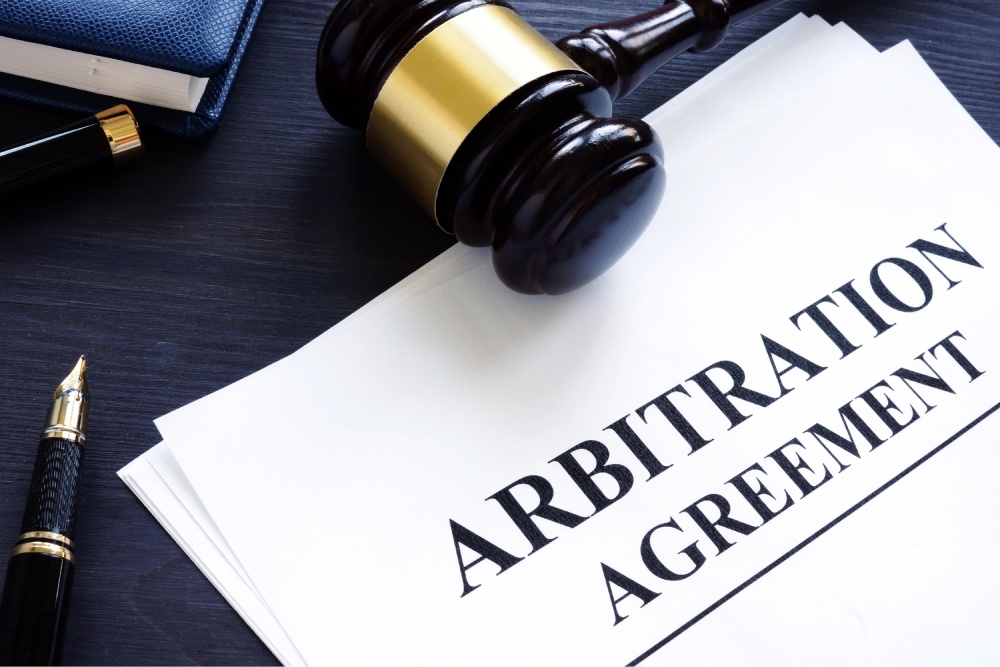
Paperwork often moves fast during nursing home admission. Families focus on care, safety, and medical needs. Hidden inside those forms, nursing home arbitration agreements can quietly shape future legal rights.
Understanding nursing home arbitration agreements matters because these clauses may remove access to a public courtroom if harm occurs. Many families only learn about arbitration after abuse or neglect surfaces.
By then, options may feel limited. This guide explains how arbitration works, why facilities rely on it, and how these agreements affect accountability when residents suffer preventable harm.
What Nursing Home Arbitration Agreements Are
Nursing home arbitration agreements are contracts that shift disputes away from courts. Instead of a judge or jury, a private arbitrator decides the case.
These agreements often appear as separate documents or short sections inside admission packets. Staff may describe them as routine or administrative. In reality, signing one can waive the right to file a lawsuit in civil court.
Arbitration decisions usually bind both sides. Appeals rarely succeed. The process remains private, which means outcomes stay out of public records. That privacy often benefits facilities more than residents.
Why Nursing Homes Use Arbitration Clauses
Facilities include arbitration clauses to reduce exposure. Jury trials carry risk, especially when neglect leads to severe injury or death. Arbitration limits that risk by narrowing procedures and keeping cases confidential. Costs often drop for facilities, and damage awards tend to remain lower than jury verdicts.
Another reason involves control. Arbitration agreements may outline how arbitrators are selected, which rules apply, and where hearings take place.
These terms often favor repeat players like nursing home operators. Residents and families usually enter arbitration only once, while facilities engage in it regularly.
How Arbitration Differs From Court Litigation
Court litigation follows a structured and transparent process. Judges manage discovery, rule on motions, and control how evidence enters the record. Juries hear testimony, weigh credibility, and decide fault and damages. Trials also create public records, which can expose safety failures and patterns of repeat violations.
Arbitration follows a more private and limited format. Discovery is often restricted, and evidentiary rules allow greater flexibility. One arbitrator hears the dispute and issues a binding decision. Hearings take place in private settings rather than open courtrooms. This structure can limit a family’s ability to obtain staffing records, internal reports, or information about prior complaints.
These restrictions matter in nursing home neglect cases, where critical proof often remains within facility files. Reduced access to information can weaken a claim before it has a chance to fully develop.
Are Nursing Home Arbitration Agreements Mandatory
Federal regulations prohibit nursing homes from requiring arbitration as a condition of admission or continued care. Residents have the right to decline, and facilities must explain that refusal will not affect placement or treatment.
Even with this protection, pressure can still occur. Admissions often take place during stressful circumstances. Families may feel rushed, worry about delays, or sign without fully understanding the consequences. Some may assume the agreement represents routine paperwork rather than a legal waiver.
A refusal should never trigger retaliation. Any suggestion that care will suffer raises serious concerns and may violate federal guidelines.
When Arbitration Agreements Become Enforceable
Once signed, nursing home arbitration agreements often carry legal force. Courts usually uphold them unless strong reasons exist to challenge their validity. Common challenges involve a lack of capacity, coercion, or unfair terms.
Residents with dementia or cognitive decline may lack legal capacity to consent. Family members may sign without proper authority. Some agreements hide language in dense text or misrepresent consequences. Courts review these factors closely when families contest enforceability.
Timing also matters. Some agreements allow a short rescission period. Families should review documents promptly after admission to see if cancellation remains possible.
The Impact on Nursing Home Abuse and Neglect Claims
Arbitration can influence both how a case unfolds and how it resolves. Damage awards often trend lower, and the absence of a jury removes community judgment from the decision. Confidential outcomes prevent future families from learning about prior harm or patterns of neglect.
Abuse cases involving bedsores, dehydration, medication errors, or falls depend on detailed evidence. Limited discovery can restrict access to staffing schedules, training records, and inspection reports. This imbalance may shift leverage toward the facility. Families also lose the public weight of a trial, which can reduce pressure on facilities to correct unsafe practices when misconduct remains private.
Common Misconceptions About Arbitration
Some families believe arbitration leads to faster resolution. While certain cases move more quickly, delays still occur. Scheduling conflicts, expert involvement, and procedural disputes can extend timelines.
Fairness also raises concern. Arbitration does not guarantee neutral outcomes. Arbitrators receive compensation from repeated appointments, and critics note that this structure may favor facilities that appear often.
Others believe arbitration reduces stress. Private hearings may limit public exposure, yet families still relive painful events through testimony, and the emotional impact remains.
What Happens During a Nursing Home Arbitration Case
The process starts with a formal demand for arbitration. Both sides select or agree on an arbitrator, usually from a private panel. Early conferences set schedules and define discovery limits.
Each side exchanges a limited set of evidence. Depositions may occur, but stay restricted. Hearings resemble a bench trial without a jury. Witnesses testify, experts explain medical standards, and attorneys present arguments.
After the hearing concludes, the arbitrator issues a written decision that typically binds both sides. Appeals require proof of fraud, misconduct, or authority overreach, which courts rarely accept.
Arbitration Versus Mediation in Nursing Home Disputes
Mediation and arbitration serve different roles in resolving nursing home disputes. Mediation involves a neutral facilitator who helps both sides work toward a voluntary agreement. The mediator has no authority to decide the case, and either party may leave the process without reaching a resolution.
Arbitration functions as a substitute for a trial. Once the process ends, the arbitrator’s decision determines the outcome and usually binds both sides. Families should understand this difference before agreeing to any alternative dispute method.
Mediation often fits early-stage disputes where both sides want a resolution, while arbitration carries higher stakes, particularly when injuries involve permanent harm or wrongful death.
The Role of Legal Review Before Signing
Legal review before admission can prevent future restrictions on a family’s rights. An attorney can explain the consequences of arbitration language, identify problematic terms, and advise whether refusal or revision makes sense. Even after an agreement is signed, legal review may reveal grounds to challenge enforcement.
Cases tied to medical care often overlap with broader negligence issues. Consultation with a medical malpractice lawyer can help assess how standards of care intersect with arbitration language.
When abuse or neglect occurs inside a facility, guidance from a nursing home abuse lawyer helps families evaluate options inside or outside arbitration.
Take the Next Step With Freeman Injury Law
At Freeman Injury Law, we guide families through the real impact of nursing home arbitration agreements and abuse claims. We review admission contracts, challenge unfair clauses, and pursue accountability when neglect causes harm.
Our team stays accessible through direct communication and lawyer-led case handling. We focus on clear guidance, steady advocacy, and outcomes that respect your family’s trust.
Get the money you deserve.