What Is Considered A Minor Car Accident In Florida?
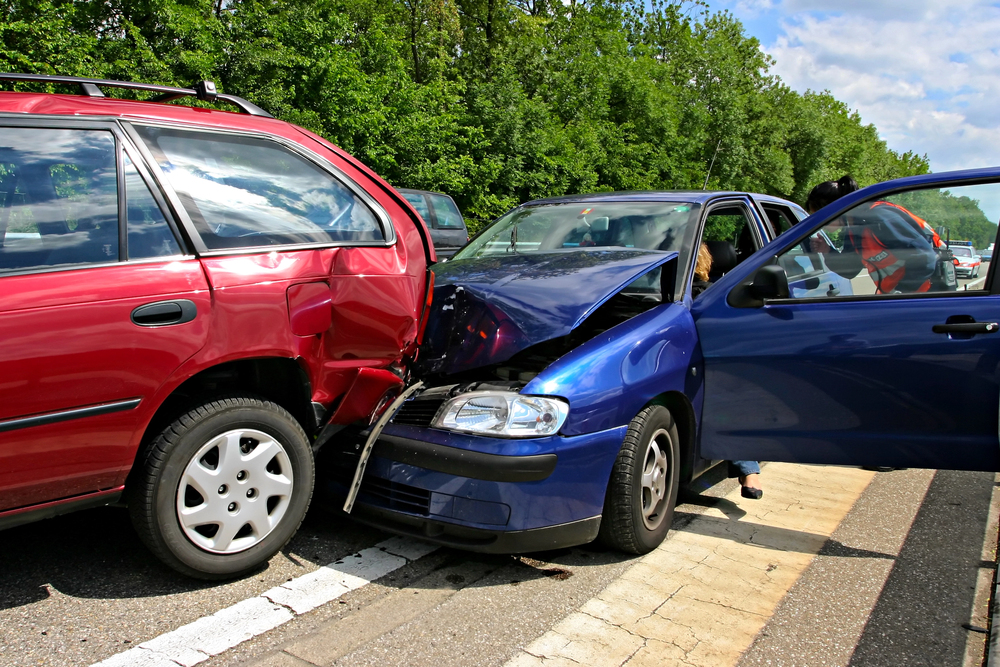
A low-speed collision can leave drivers unsure of how serious it is or what to do next. Understanding what is considered a minor car accident in Florida helps protect your health, your rights, and any insurance benefits you may need later. In general, a minor crash involves modest property damage, no obvious severe injuries, and vehicles that can still be driven.
However, at Freeman Injury Law, we remind clients that even a minor crash can produce delayed injuries and complicated insurance disputes, which means you should not dismiss the situation at the scene. For clarity on your specific situation, consulting with a car accidents lawyer early can offer valuable guidance.
How Florida Defines a Minor Crash
Florida law does not offer a legal category for “minor” accidents. Instead, the concept is practical and based on the outcome of the collision. In a minor accident, injuries may not be immediately apparent, damage tends to be limited to cosmetic issues like dents or broken lights, and towing is not required because vehicles remain operable.
Even so, Florida requires crashes to be reported to law enforcement in situations involving injury, intoxication, a hit-and-run, or property damage that reasonably appears to meet or exceed $500. Because damage estimates often increase once a body shop examines the vehicle, documenting and reporting is typically the safer approach.
Common Examples of Minor Car Accidents
Minor crashes frequently arise in everyday settings, especially where speeds are low and traffic is congested:
- Rear-end bumps in traffic or at stop lights
- Parking lot collisions during backing or parking maneuvers
- Low-speed sideswipes during lane changes or turns
- Small driveway or residential street impacts
These events may appear insignificant, yet drivers often report stiffness, headaches, or back pain hours or days later due to soft tissue involvement.
Why Medical Evaluation Still Matters
Many people classify a crash as minor based solely on visible vehicle damage, but the body does not always react immediately. Adrenaline can mask pain and limit mobility symptoms for the first day or two. A medical evaluation creates a timely record of your condition, allowing your doctor to diagnose developing problems such as whiplash, soft tissue strains, or concussion signs.
Without medical documentation, insurance companies may argue that your symptoms are unrelated to the collision. In the rare event that a seemingly minor impact causes severe, long-term symptoms, the approach to care and compensation shifts dramatically, much like the cases handled by a catastrophic injury lawyer in Florida.
Reporting and Insurance Implications
Reporting a minor crash protects you legally and financially. If police respond, they will issue a report that becomes a foundational document for insurance claims, fault determinations, and repairs. If police do not respond and damage appears to meet reporting thresholds, Florida requires you to submit a Driver Report of Traffic Crash to the Department of Highway Safety and Motor Vehicles within ten days.
After reporting to authorities, notify your insurance carrier so they can open a claim. When speaking with adjusters, stick to facts and avoid giving recorded statements about injuries before you understand your medical situation.
Key Steps to Protect Yourself After a Minor Crash
Drivers can protect their health and interests with a few simple actions:
- Move to a safe location, call law enforcement when required, and exchange necessary contact and insurance information
- Take clear photographs of vehicle damage, license plates, surrounding traffic conditions, and any visible injuries
After leaving the scene, contact your insurer promptly, seek medical care if pain develops, and save all paperwork related to repairs or treatment. These steps preserve evidence, support claims, and reduce the risk of future disputes.
When to Consider Legal Guidance
Not every minor crash requires legal assistance, but there are moments when guidance can make a meaningful difference. If you develop delayed symptoms, if an insurer disputes fault, minimizes injuries, or pushes for a quick settlement, or if you feel uncertain about what to report or how to document your claim, legal support can protect you from financial mistakes.
At Freeman Injury Law, we manage communication with insurers, explain reporting obligations, and make sure our clients understand what to expect. We maintain direct communication through phone, email, and our client text platform, because clarity matters even in lower-impact collisions.