Minor Vs. Moderate Car Accidents: Learn The Difference
Quick Summary
Minor and moderate car accidents differ mainly in vehicle damage, injury severity, and impact speed. Minor crashes usually involve light damage and little or no injury, while moderate accidents often include visible damage and physical harm that may require medical care. Even moderate collisions can lead to delayed symptoms and long-term health issues.
Crash severity often influences how injuries appear and how cases are evaluated after an accident. Many drivers are unsure about minor vs moderate car accident differences when damage does not match how they feel after impact.
Minor vs. moderate car accident situations can be confusing because injuries may not appear immediately. Some symptoms develop hours or days later. Vehicle damage alone does not always reflect the full extent of harm.
What Defines a Minor Car Accident
A minor car accident generally involves a low-speed impact with limited visible damage to the vehicles. Common signs include small dents, scratches, cracked lights, minor bumper damage, or cosmetic issues that do not significantly affect vehicle operation. In many cases, drivers and passengers leave the scene feeling relatively unharmed.
However, the absence of immediate pain does not always mean injuries are absent. The body’s adrenaline response can temporarily mask symptoms following a collision. As the body begins to recover from the sudden force, discomfort may gradually develop.
- Neck stiffness may appear a day or two after impact due to soft tissue strain
- Headaches can develop from sudden force or minor whiplash movement during collision
- Shoulder discomfort may show up later even if no pain was felt immediately after crash
- Sleep disruption can occur when the body reacts to delayed inflammation
- Mild back soreness may increase with normal daily activity after the accident
- Early monitoring helps identify changes that were not visible at the time of impact
What Defines a Moderate Car Accident
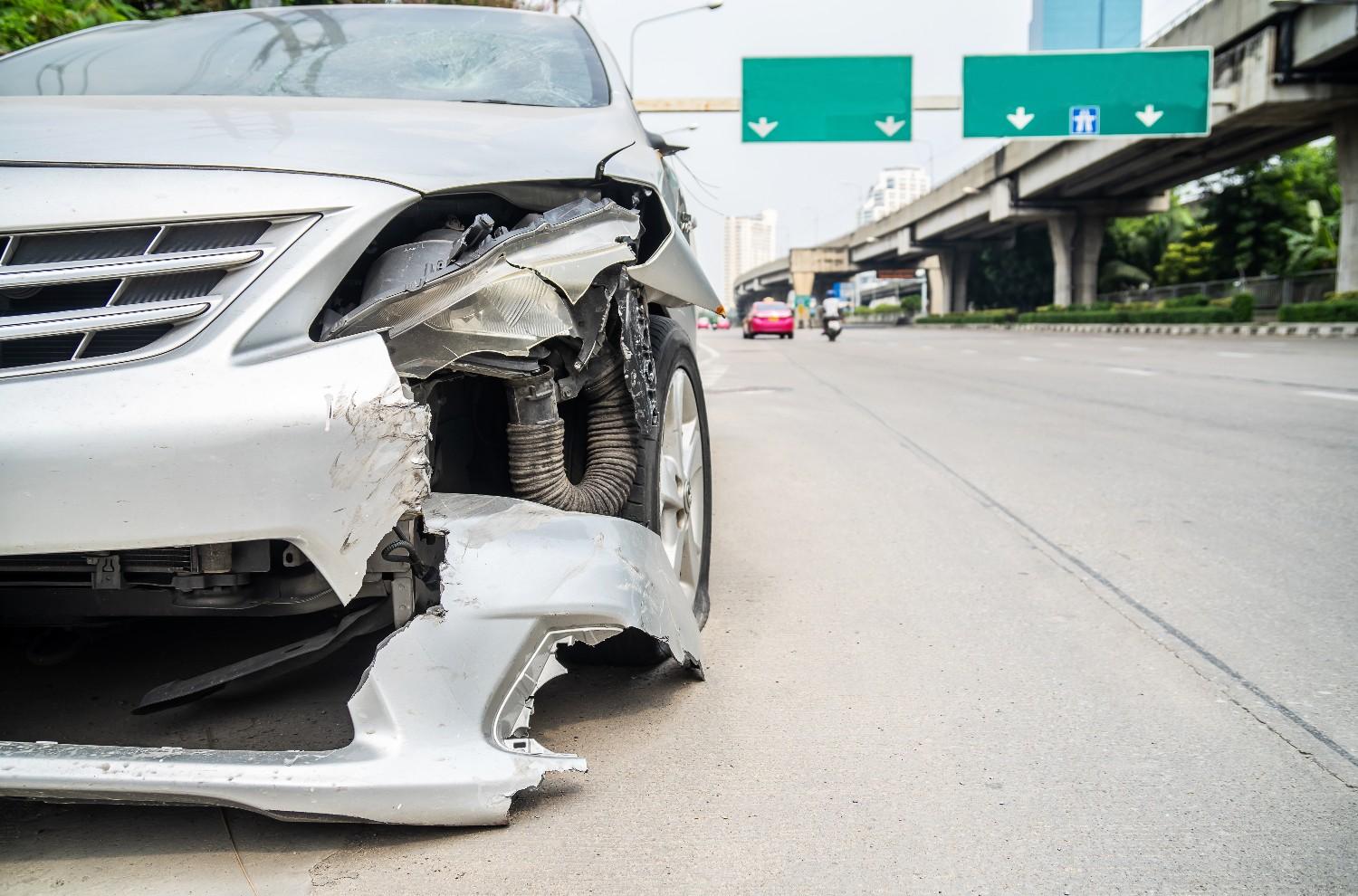
Moderate car accidents involve a greater degree of impact and usually result in more substantial vehicle damage. Drivers may notice crushed body panels, significant bumper damage, broken vehicle components, deployed airbags, or structural damage that requires extensive repairs.
Unlike minor collisions, moderate accidents are more likely to cause injuries that interfere with daily activities and require professional medical treatment. Even when injuries appear manageable at first, symptoms often become more pronounced as inflammation develops and the body responds to the trauma.
Recovery following a moderate accident can vary considerably depending on the force of the collision, the direction of impact, and the physical condition of the individuals involved. Because these crashes involve greater energy transfer, they often present a higher risk of both immediate and delayed injuries.
Injury Differences in Minor vs Moderate Car Accident Cases
One of the most significant distinctions between minor and moderate accidents involves the severity and duration of injuries.
Minor accidents commonly result in temporary soreness, mild strains, or minor soft tissue injuries. While these conditions can still be uncomfortable, recovery is often relatively straightforward and may require only limited treatment. Nevertheless, even seemingly minor injuries can temporarily affect mobility, work responsibilities, and everyday routines.
Moderate accidents, on the other hand, are more likely to produce injuries that require ongoing medical attention. Pain may intensify during the days following the collision as swelling and inflammation increase. Recovery periods are often longer, and some individuals may require physical therapy, diagnostic testing, or specialized treatment.
Several factors influence how injuries develop, including:
- The speed and force of the collision
- Seat position and posture at the time of impact
- Direction of the crash
- Vehicle safety features
- Age and physical condition of the injured person
As a result, two individuals involved in similar accidents may experience very different symptoms and recovery timelines.
Medical Attention and Legal Importance
Medical evaluation helps identify hidden injuries after a crash. Some conditions are not visible immediately but can worsen over time. Accurate medical records also help connect injuries to the accident. This becomes important when reviewing recovery options later.
In complex cases involving delayed symptoms or treatment concerns, guidance from a Medical Malpractice Lawyer may be relevant when medical decisions affect recovery outcomes.
How Freeman Injury Law Reviews Accident Severity
Freeman Injury Law reviews accident cases by analyzing crash details, medical records, and injury reports together. The focus is on understanding how the accident affected the individual’s health and daily life.
Each case is evaluated based on its specific facts rather than assumptions about damage levels. Even minor accidents can result in injuries that require detailed review.
This approach helps identify the full impact of a collision and supports a fair evaluation of recovery needs.
FAQs
What is the difference between minor and moderate car accidents?
Minor accidents involve low damage and mild or no injury, while moderate accidents involve visible damage and a higher chance of physical injury.
Can injuries appear after a minor car accident?
Yes. Some injuries develop hours or days later even if the crash initially seemed minor.
Do moderate car accidents always cause serious injuries?
Not always, but they have a higher chance of causing injuries that may require medical attention.
Why does vehicle damage not always match injury severity?
The body reacts differently from a vehicle, so even low damage impacts can still cause internal strain or soft tissue injuries.