Breaking Down Car Accident Statistics In The US
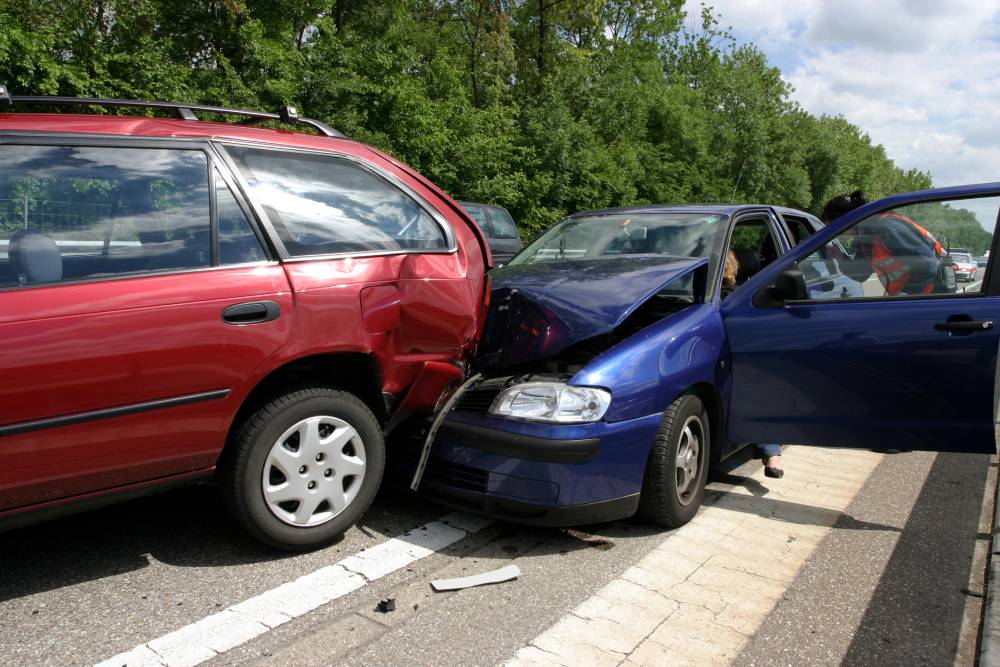
Understanding car accident statistics is key to grasping the scale and nature of road risks in the United States. These numbers represent more than just data; they reflect real-life tragedies and preventable losses. Analyzing car accidents statistics in the US helps identify common causes, high-risk groups, and necessary safety issues. This knowledge empowers drivers and policymakers to make our roads safer for everyone.
At Freeman Injury Law, we see the human stories behind these numbers every day. Our work with families affected by collisions drives our commitment to sharing this information clearly.
The National Picture: A Look at the Big Numbers
Every year, millions of car accidents occur on American roads. The National Highway Traffic Safety Administration (NHTSA) reports approximately six million police-reported crashes annually. This staggering figure includes everything from minor fender-benders to catastrophic collisions.
Within this large number, we find sobering details. Recent data shows that over 40,000 people lose their lives each year in traffic incidents. This figure represents a concerning increase compared to pre-pandemic years, highlighting an urgent safety challenge.
Non-fatal injuries are even more common, with millions of people seeking medical attention after crashes each year. These injuries range from minor soft-tissue damage to life-altering traumatic brain and spinal cord injuries.
Leading Causes of Collisions: What the Data Shows
Understanding why accidents happen is the first step toward prevention. The statistics point to several consistent primary factors behind most serious crashes.
Distracted driving remains a top contributor to collision statistics. The NHTSA estimates that thousands of fatalities each year involve distracted drivers. This includes not just phone use, but also eating, adjusting controls, or interacting with passengers.
Impaired driving continues to cause a disproportionate number of fatal crashes. Alcohol-impaired driving accounts for approximately one-third of all traffic deaths annually. This persistent problem causes unimaginable tragedy year after year.
Speeding is another major factor in crash severity. Higher speeds reduce reaction time and increase crash force dramatically. Approximately one-quarter of traffic fatalities involve speeding drivers.
The Rising Concern of Driver Behavior
Recent trends in car accidents statistics point to a shift in driver behavior post-pandemic. Despite fewer cars on the road during certain periods, the rate of fatalities actually increased. This suggests a change in how people drive, not just how many are driving.
Studies indicate an increase in risky behaviors like not wearing seatbelts and driving under the influence of drugs other than alcohol. The legalization of marijuana in many states has introduced new complexities in measuring and preventing impaired driving.
Aggressive driving, including tailgating and improper passing, also contributes significantly to crash data. These behaviors often stem from frustration and impatience, creating dangerous situations for all road users.
Understanding High-Risk Groups and Situations
The statistics reveal clear patterns about who is most vulnerable and when accidents are most likely to occur.
Young drivers face significantly higher crash risks. Drivers aged 16-25 are involved in fatal crashes at a higher rate than any other age group. Inexperience combined with risk-taking behaviors creates this dangerous combination.
Pedestrians and cyclists face increasing dangers. Fatalities among people walking and biking have risen noticeably in recent years. This troubling trend highlights the need for better infrastructure and increased awareness from all road users.
Certain times pose greater risks. Nighttime driving, particularly on weekends, shows higher rates of fatal crashes. Holiday weekends often see increased travel and unfortunately, increased collisions.
The Economic Impact of Car Accidents
Beyond the personal tragedy, car accidents create enormous economic costs. The total societal cost of motor vehicle crashes in the US exceeds hundreds of billions of dollars annually.
These costs include medical expenses, lost productivity, property damage, and legal costs. The average non-fatal injury crash generates substantial economic losses for those involved. For families facing serious injuries, the financial burden can be overwhelming without proper legal support.
When crashes happen due to another’s negligence, these economic impacts form the basis for damage calculations in insurance claims and lawsuits. This is where understanding the full scope of losses becomes necessary for recovery.
Vehicle Type and Crash Outcomes
The type of vehicles involved in crashes significantly affects injury severity. The increasing popularity of large SUVs and trucks has correlated with more severe outcomes in crashes with smaller vehicles and pedestrians.
Motorcycle riders face particularly high risks, with fatality rates per mile traveled dramatically higher than for passenger car occupants. This vulnerability underscores the importance of protective gear and defensive riding techniques.
Regional Variations and State Comparisons
Crash rates are not uniform across the country. Some states consistently show higher per-capita fatality rates than others. Rural areas often see higher death rates despite having less traffic, possibly due to higher speeds and longer emergency response times.
Understanding local patterns helps communities target safety improvements. States with stronger traffic safety laws often show better safety records over time.
How Safety Technology is Changing the Landscape
Modern vehicles come equipped with advanced safety features that show promise in reducing certain types of crashes. Automatic emergency braking, lane departure warnings, and blind spot monitoring systems have demonstrated effectiveness in preventing collisions.
However, this technology brings new challenges. Some studies suggest drivers may become over-reliant on these systems, potentially leading to new types of distraction or complacency.
How Statistics Inform Legal Practice
For our team at Freeman Injury Law, understanding these patterns is part of offering effective representation. Knowing that rear-end collisions frequently cause whiplash, or that intersection crashes often involve right-of-way violations, helps us investigate cases thoroughly.
When families come to us after a serious crash, we understand the statistical realities behind their situation. This knowledge helps us build stronger cases and secure fair outcomes for our clients. If you have been injured, consulting with an experienced car accidents lawyer can help you understand your rights and options.
The Human Element Behind the Numbers
While statistics offer important context, it is important to remember that each data point represents a person and a family. Behind every percentage is someone’s parent, child, friend, or coworker.
In the most tragic cases where negligence causes a death, families may need to pursue a wrongful death claim. During such difficult times, having compassionate legal support from a dedicated wrongful death lawyer can make a profound difference in securing a family’s future.
Moving Toward Solutions and Safer Roads
The consistent patterns in crash data point toward clear solutions. Better enforcement of traffic laws, public education campaigns, and vehicle safety improvements all contribute to reducing accidents.
Technological advances like automatic emergency braking and lane-keeping assistance show promise in preventing certain types of crashes. However, responsible driver behavior remains the most important safety feature.
By understanding and responding to car accident statistics, we can all contribute to making our roads safer. At Freeman Injury Law, we are committed to helping victims navigate the aftermath of crashes while supporting broader efforts to prevent these tragedies from occurring in the first place.