Can You Sue If You Fall In A Parking Lot?
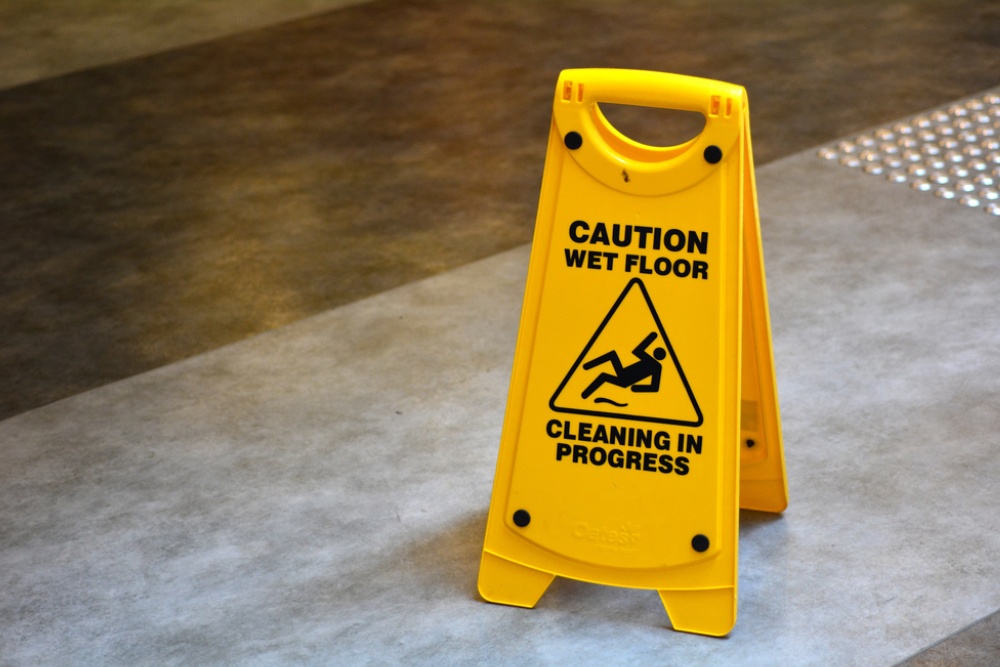
A sudden fall in a parking lot can leave you hurt and unsure of your options. Many people wonder, can you sue for falling in a parking lot after suffering an injury? The answer depends on the specific facts, but often, yes, if you can prove the property owner was negligent. Parking lots are filled with potential hazards like potholes, cracked pavement, poor lighting, and slick surfaces.
At Freeman Injury Law, we help clients navigate these claims by focusing on clear facts and strong evidence, making sure they understand each step toward seeking fair compensation for their injuries.
The Legal Foundation: Property Owner Responsibility
In Florida, property owners and managers have a legal duty to maintain safe premises for visitors. This is called premises liability. It means the entity in control of a parking lot, a retail store, mall, office complex, or apartment building, must take reasonable care to inspect for hazards, make timely repairs, and warn people of dangers.
A successful lawsuit hinges on proving they failed in this duty. Simply falling is not enough; you must show the owner knew or should have known about the dangerous condition and did not address it properly.
Common Parking Lot Hazards That Cause Injuries
Not every uneven surface warrants a claim, but certain recurring dangers often establish negligence. We frequently see cases involving:
- Potholes & Severe Cracks: Deep or abrupt pavement breaks that are not marked or repaired.
- Poor Lighting: Inadequate illumination in lots or walkways, especially at night, hiding tripping hazards.
- Unmarked Slopes & Curbs: Sudden changes in elevation without visible warnings or railings.
- Weather-Related Dangers: Accumulated water, ice, or snow that is not cleared or drained.
- Debris & Spills: Trash, loose gravel, or oily patches from vehicles that create slipping risks.
These conditions can lead to serious harm, from fractures and sprains to head and back injuries. Documenting the specific hazard is an important first step.
What You Must Prove to Have a Valid Case
To hold a property owner legally responsible, your claim must show four key elements that work together:
- Duty of Care: The defendant had a duty to take reasonable steps to keep the parking lot safe for visitors. This applies to anyone invited onto the property, such as customers or tenants.
- Breach of Duty: The defendant failed to meet that duty by allowing a dangerous condition to exist. This could include not repairing broken pavement, ignoring poor lighting, or failing to remove slippery substances.
- Causation: The specific hazard on the property must be the direct reason you fell and became injured. In other words, there has to be a clear link between the unsafe condition and your harm.
- Damages: You must show real losses. These can include medical expenses, lost wages from missed work, or physical pain and discomfort that resulted from the fall.
The most difficult part of this process is often proving the owner’s constructive knowledge. This means showing that the hazard existed for long enough that the owner or manager should have found it and fixed it through reasonable inspection and maintenance.
Surveillance footage, incident reports, maintenance logs, and witness testimony can all play an important role in proving this point. This is where evidence collection and smart legal strategy become important in building a strong case.
The Role of Immediate Evidence Collection
Evidence is the backbone of a premises liability claim. It can disappear quickly, so prompt action is key. If you are able after a fall:
- Photograph Everything: Take clear pictures of the exact hazard, the wider area, lighting conditions, and any visible injuries.
- Report the Incident: Notify the property manager or business and request a written incident report.
- Identify Witnesses: Collect names and contact information from anyone who saw what happened.
- Seek Medical Attention: A doctor’s visit creates an important record linking your injuries to the accident. Keep all medical documentation.
- Preserve Physical Evidence: Do not clean or discard the shoes and clothing you wore, as they may contain traces of the hazard.
A slip & fall lawyer can then use this evidence to request security footage, maintenance records, and other documents to build your case.
Special Case: A Slip and Fall in a Work Parking Lot
The rules change if your fall occurs in a parking lot at your workplace. Typically, a slip and fall in a work parking lot during work hours is covered by workers’ compensation insurance. This system offers benefits for medical care and partial wage replacement regardless of fault, but it generally bars direct lawsuits against your employer.
However, if a third party, such as a negligent property management company or a contractor responsible for maintenance, caused the hazard, you may have grounds for a separate personal injury lawsuit against them alongside your workers’ comp claim.
How Florida’s Comparative Negligence Rule Affects You
Florida applies pure comparative negligence. If you were partly distracted and share 20 percent of the blame, your recovery would be reduced by 20 percent. This rule does not prevent you from pursuing compensation, but it does change the final amount you receive. Insurance adjusters often try to exaggerate your share of blame to minimize payouts.
Having legal representation helps make sure your actions are presented fairly and that the property owner’s primary responsibility is clearly shown. An attorney can also highlight factors like poor lighting, uneven pavement, or lack of warnings that contributed to the fall and had nothing to do with your behavior.
The Strategic Value of a Personal Injury Attorney
Pursuing a claim involves complex negotiations with insurance companies and a deep understanding of property codes and investigation. An attorney handles this process for you. They can:
- Conduct a thorough investigation to prove the property owner’s knowledge of the hazard.
- Consult with safety and medical experts to strengthen your claim.
- Handle all communications with insurers to protect you from making statements that could harm your case.
- Accurately calculate the full value of your claim, including future medical needs and non-economic damages like pain and suffering.
At Freeman Injury Law, we take on this burden for our clients. We offer direct access to your legal team through our client communication platform, making sure you are informed and supported without feeling like just another case number.
Understanding Potential Compensation
A successful claim seeks to make you whole. Recoverable damages may include:
- All related medical expenses (emergency care, surgery, physical therapy).
- Lost wages and loss of future earning capacity.
- Pain, suffering, and reduced quality of life.
- In cases of severe, permanent injury, compensation for long-term care and adaptive living expenses.
Insurance companies frequently make low initial settlement offers before the full extent of your injuries is known. An attorney’s guidance is important to make sure any settlement reflects the true long-term impact of the accident, much like a catastrophic injury lawyer in Florida would evaluate a life-altering injury.
The Importance of Acting Quickly
Florida law imposes a strict deadline, known as the statute of limitations. You have a two-year window to file a lawsuit. After that, you cannot pursue compensation. Furthermore, important evidence like surveillance video is often automatically deleted within weeks. Consulting a lawyer promptly allows them to send legal notices to preserve this evidence and begin building a compelling case on your behalf.
If you have been injured in a parking lot fall, understanding your rights is the first step toward recovery. These cases require a clear demonstration of the property owner’s negligence through diligent evidence collection and legal argument. Our firm is committed to offering that clarity and dedicated advocacy. We focus on maximizing your net recovery while handling the legal complexities, so you can focus on your health.