Comparing Catastrophic And Non-Catastrophic Injuries For Legal Purposes
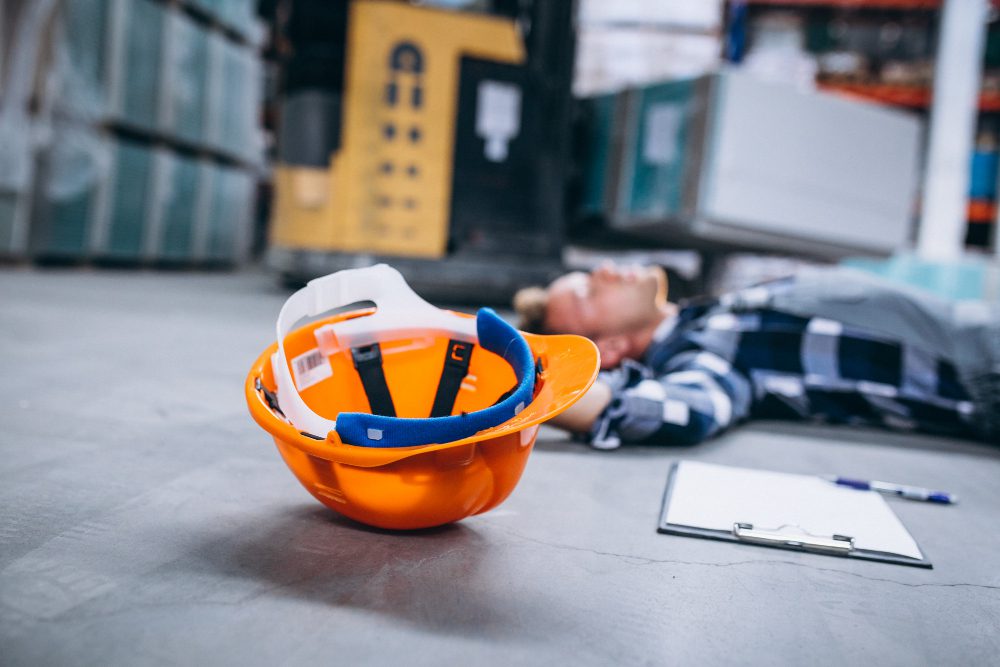
When someone is injured due to an accident, the legal system does not treat every injury the same way. The distinction between catastrophic vs. non-catastrophic injury plays a significant role in how claims are evaluated, how compensation is calculated, and how long-term needs are addressed.
Some injuries heal with time and appropriate treatment, allowing individuals to return to their daily routines. Others, however, permanently alter a person’s life, affecting mobility, independence, and the ability to earn a living. Understanding this difference is essential, especially when considering a catastrophic injury lawyer after a serious incident.
The classification of an injury can influence the resources required for recovery and the legal approach needed to secure meaningful support. Below is a closer look at how these categories differ and why the distinction matters.
What Defines a Non-Catastrophic Injury?
Non-catastrophic injuries are typically those from which a person is expected to recover with medical care and time. These injuries may still be painful and disruptive, but they generally do not result in permanent disability or long-term loss of independence.
Examples often include soft tissue injuries, minor fractures, or moderate concussions. While these conditions may temporarily prevent someone from working or participating in daily activities, recovery is usually possible without the need for lifelong assistance.
From a legal standpoint, claims involving non-catastrophic harm often focus on short-term medical expenses, temporary loss of income, and the impact of recovery on daily life. Although these injuries may seem less severe in comparison, they still deserve proper legal evaluation when negligence is involved. Even temporary harm can create financial strain and emotional stress, especially if treatment or time away from work is required.
What Defines a Catastrophic Injury?
Catastrophic injuries differ in one critical way: they permanently change a person’s life. These injuries often involve lasting impairments that affect physical or cognitive function.
Unlike injuries that heal over time, catastrophic harm may require ongoing medical care, rehabilitation, and support for daily living. In some cases, individuals may no longer be able to return to their previous careers or live independently.
Conditions such as spinal cord damage, severe brain trauma, or the loss of a limb are commonly considered catastrophic because of their long-term consequences. Legally, these injuries require a broader evaluation. The focus extends beyond immediate medical treatment to include future care needs, reduced earning potential, and the overall impact on quality of life.
The goal is to make sure that compensation reflects the true scope of the injury rather than just the initial recovery period.
How Severity Shapes Legal Considerations
Injury severity influences nearly every aspect of a personal injury case. Both categories involve harm caused by another party’s negligence, yet the long-term implications differ substantially.
Claims involving non-catastrophic injuries often center on a defined period of recovery. Medical bills, temporary disability, and short-term lifestyle disruptions are common considerations.
Catastrophic injury cases require a broader outlook. Long-term medical support, adaptive housing, and continuing rehabilitation frequently become part of the legal analysis. Accurate classification at the outset is critical, because misjudging catastrophic vs. non-catastrophic injury can result in compensation that fails to address future challenges.
The Financial Impact of Each Injury Type
Injury-related expenses can vary widely depending on the classification of the harm. Non-catastrophic injuries often involve costs tied to treatment, rehabilitation, and temporary loss of income.
Catastrophic harm, on the other hand, frequently creates lifelong financial implications. Ongoing medical care, specialized equipment, and changes to living arrangements may be necessary. These extended needs can place a substantial burden on individuals and families if not properly addressed through legal channels.
How Injury Classification Affects Compensation
The way an injury is classified can directly influence the scope of compensation pursued in a legal claim. When an injury is considered non-catastrophic, the focus often remains on immediate medical treatment, recovery time, and the short-term disruption caused by the incident.
In contrast, catastrophic injuries require a more comprehensive evaluation. These cases frequently involve long-term medical care, rehabilitation, and adjustments to daily living. Compensation must reflect not only what has already occurred but also what may be required in the future.
For example, a person recovering from a temporary injury may expect to return to work after treatment. Someone living with permanent limitations may face a completely different financial outlook. Their ability to earn income, maintain independence, or manage daily responsibilities may be permanently altered.
The legal system recognizes these differences and allows claims to account for long-term consequences when appropriate. Proper classification helps ensure that compensation aligns with the true impact of the injury rather than addressing only immediate costs.
Why Professional Legal Support Matters
Navigating the legal process after an injury can be complex, particularly when the distinction between injury types influences the direction of a claim.
Attempting to manage these matters alone can make it difficult to assess the full impact of an injury or anticipate future needs. Insurance providers and opposing parties may prioritize limiting financial responsibility, which can result in settlements that fall short of addressing long-term realities.
Professional legal guidance helps ensure that claims are evaluated thoroughly and that the consequences of an injury are clearly represented. With experienced support, individuals can focus on recovery while legal professionals handle the complexities of building a strong case.
How Freeman Injury Law Can Help
Freeman Injury Law knows that every injury carries its own challenges and consequences. No two clients experience harm in exactly the same way. Some injuries disrupt life for a limited period, while others permanently alter a person’s health, independence, and financial stability.
We take the time to carefully evaluate how an injury affects daily routines, employment, family responsibilities, and long-term goals so that no important detail is overlooked. Our team prioritizes clear and consistent communication throughout the legal process.
Through our dedicated text platform, clients stay connected with their legal team in a manner that is simple, direct, and responsive. Questions can be addressed promptly, updates are easy to access, and clients remain informed at every stage of their case.
If you or a loved one has been injured due to someone else’s negligence, contact us today to schedule a consultation and take the next step in securing the support you deserve.