How Defective Truck Equipment Leads To Serious Trucking Accidents
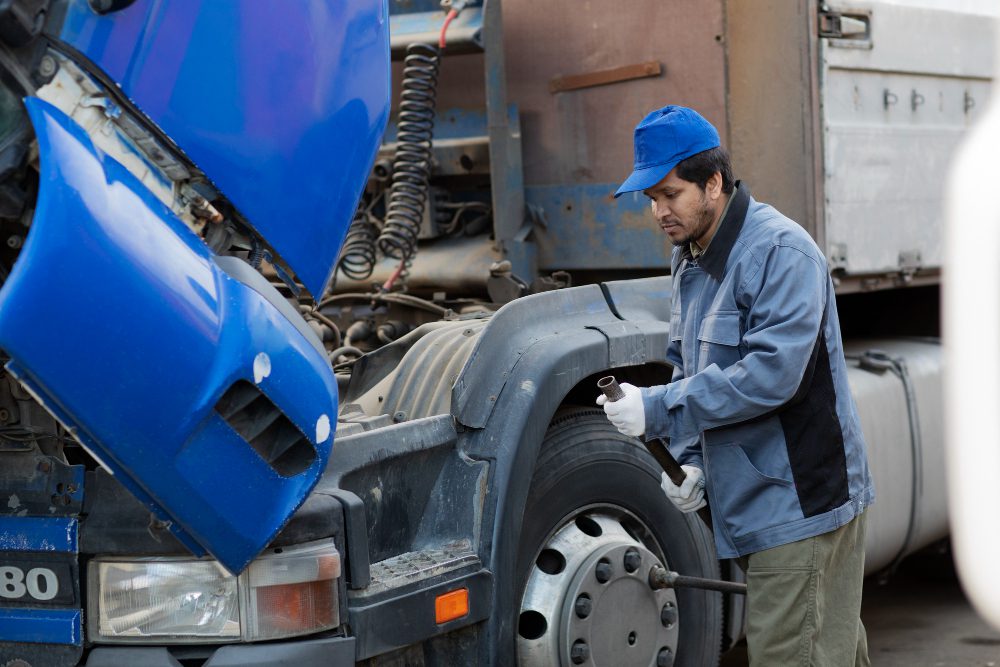
Commercial trucks are built to handle demanding workloads and long hours on the road. However, when critical components fail, the consequences can be devastating. Many trucking accidents due to defective machinery occur not because of driver error, but because the equipment meant to guarantee safety does not perform as intended.
Mechanical breakdowns can turn routine travel into dangerous situations within moments. Malfunctioning systems may reduce driver control, limit visibility, or significantly increase stopping distances. The size and weight of commercial vehicles amplify these dangers and often lead to widespread damage during a collision.
Understanding how defective equipment contributes to serious accidents is an important step in recognizing when legal accountability may be necessary.
Brake System Failures
Brakes are one of the most critical safety components on any commercial vehicle. When they function properly, they allow drivers to slow down or stop safely even under challenging conditions. When they fail, the results can be catastrophic.
Defective or poorly maintained braking systems may cause a truck to require longer stopping distances or lose stopping ability altogether. In high-traffic environments or on steep roadways, this can quickly lead to collisions that affect multiple vehicles.
Brake failures may stem from manufacturing defects, improper installation, or inadequate maintenance. Regardless of the cause, the inability to stop safely places everyone on the road at risk.
Tire Defects and Blowouts
Commercial truck tires endure constant strain, especially when transporting heavy loads over long distances. Defective tires increase the risk of sudden failure.
A blowout may cause a driver to lose control, resulting in swerving, jackknifing, or rollover crashes. Tire debris can also strike surrounding vehicles and create secondary accidents. Construction flaws or substandard materials may cause tire failure even when the vehicle is operated responsibly.
Steering System Malfunctions
The steering system enables drivers to maintain control and respond to changing road conditions. Compromised steering can drastically reduce a driver’s ability to maneuver safely.
Faulty steering components may cause delayed responses or unpredictable movement. Even a brief loss of control can produce devastating consequences when operating a large commercial truck.
Manufacturing defects or design issues may underlie these problems. When steering systems fail, avoiding obstacles or reacting to traffic hazards becomes far more difficult.
Lighting and Visibility Issues
Proper lighting plays a central role in safe truck operation, especially during nighttime travel and adverse weather conditions. Headlights, brake lights, and turn signals communicate a truck’s presence and movements to surrounding drivers, helping traffic flow predictably and safely.
When lighting systems are defective, visibility can decline and other motorists may struggle to anticipate a truck’s actions. A failed signal light can eliminate critical warnings about lane changes or stops, leaving nearby drivers with little time to react. In conditions where timing and clear communication matter most, reduced visibility significantly increases the risk of collisions.
Cargo Securement Equipment Failures
Commercial trucks frequently carry heavy or oversized cargo that must remain stable throughout transport. Securement systems are designed to keep loads in place and maintain vehicle balance during transit.
If this equipment malfunctions, cargo may shift unexpectedly or fall onto the roadway. A shifting load can destabilize the truck and make it harder to control, while fallen cargo can create sudden and dangerous obstacles for other motorists. Even when drivers follow proper loading procedures, defective securement systems can compromise safety and heighten the likelihood of serious accidents.
The Role of Maintenance Failures
Equipment that is properly designed can still become hazardous when maintenance is neglected. Commercial trucks require routine inspections and consistent servicing to keep critical systems operating reliably.
When maintenance is delayed or performed inadequately, components may gradually deteriorate. Worn brake pads, weakened suspension parts, and damaged electrical systems can all increase the risk of mechanical failure during operation. Some of these problems develop quietly and remain unnoticed until a breakdown occurs on the road.
Maintenance lapses that contribute to an accident often raise significant concerns about oversight and operational safety standards. Keeping vehicles roadworthy is a shared responsibility that plays a vital role in reducing preventable and potentially devastating incidents.
Manufacturer Defects and Design Flaws
Equipment failure does not always stem from poor maintenance. In some situations, the underlying problem originates in the way a component was manufactured or in the design of the machinery itself.
A manufacturing defect can cause a part to fail even under normal operating conditions. A design flaw may create built-in weaknesses that gradually reduce performance and reliability over time. These problems often remain hidden until a serious incident brings them to light.
When machinery falls short of reasonable safety expectations despite proper use and upkeep, drivers and others on the road face unnecessary danger. Determining whether a breakdown resulted from a production defect or a flawed design is often central to understanding what contributed to a collision and who may be responsible.
Why Legal Guidance Matters
Trucking accidents tied to equipment failure frequently involve technical analysis and several potentially responsible parties. Sorting through maintenance records, manufacturing histories, and operational details can be difficult, especially for someone recovering from an injury.
Experienced legal guidance brings structure and clarity to this process. A thorough review of the evidence can reveal how equipment performance affected the outcome and how fault should be allocated among the parties involved.
With informed representation, victims and their families gain a clearer path forward while their legal concerns are addressed with careful attention.
How Freeman Injury Law Can Help
At Freeman Injury Law, we recognize how overwhelming the aftermath of a trucking accident involving defective equipment can feel. These cases often present complicated questions about liability and demand a detailed evaluation of every contributing factor.
We work closely with our clients so each case receives direct attention from a lawyer. Our dedicated text platform makes communication simple and keeps clients connected with their legal team throughout the process. We focus on understanding the full scope of each accident and pursuing results that reflect the real impact on our clients’ lives.
If you or a loved one has been affected by a trucking accident involving defective equipment, contact us today to schedule a consultation and secure the support you deserve.