Who Can Be Held Responsible For A Slip And Fall?
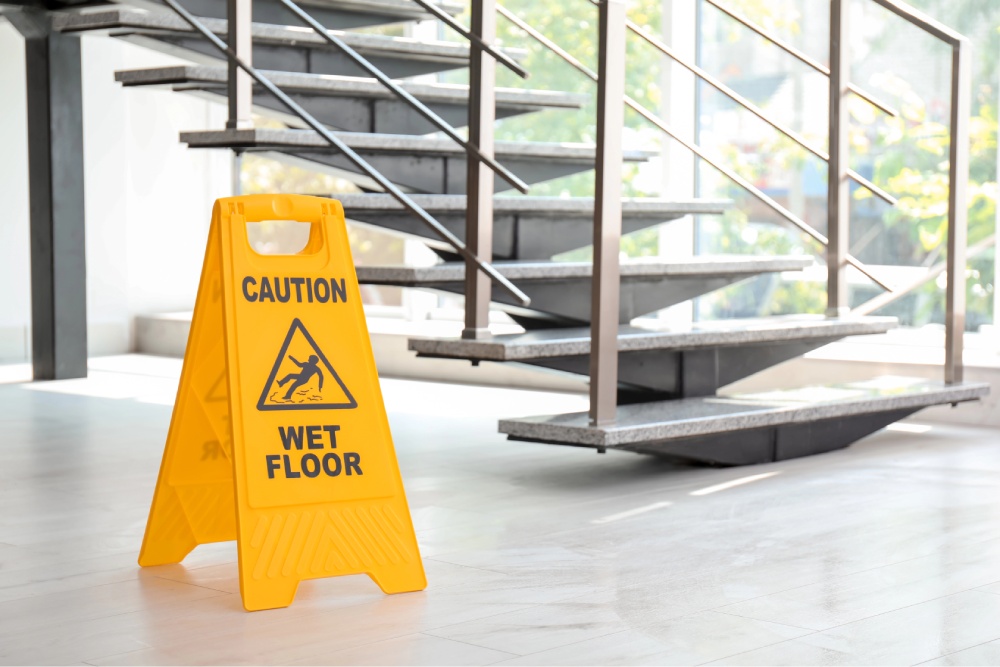
Slip and fall accidents can happen anywhere, from stores and offices to apartment complexes and public spaces.
Determining “Who is responsible for a slip and fall accident?” is a complex process that requires understanding property ownership, management responsibilities, and potential third-party involvement. Liability depends on whether the responsible party acted negligently or failed to address a hazard that led to the fall.
Knowing the factors that determine liability can help victims navigate the legal process and seek appropriate compensation for their injuries and losses.
Understanding Property Owner Responsibility
Property owners or occupants carry the primary responsibility for maintaining safe conditions on their premises. They have a legal duty to prevent accidents by addressing known hazards or regularly inspecting their property.
Ignoring wet floors, failing to clear snow or ice, leaving broken steps unrepaired, or neglecting uneven flooring can all constitute negligence. Even minor oversights can lead to serious injuries, highlighting the importance of documentation and legal guidance.
Knowledge of Hazards
Liability arises when a property owner knew about a hazard and did not act. Awareness of spills, slippery surfaces, or broken steps imposes a duty to correct the danger promptly.
Excuses such as being busy or facing financial constraints do not remove responsibility. Legal proceedings often focus on proving that the owner’s knowledge directly contributed to the accident.
Should Have Known
Property owners can also be liable if they should have known about a hazard. Poor maintenance, infrequent inspections, inadequate lighting, or a lack of staff to monitor safety all create potential liability. If a reasonable person in the owner’s position would have noticed and corrected the danger, failure to act can constitute negligence.
Inadequate Hazard Removal
Attempting to address a hazard incompletely does not remove liability. Temporary fixes, like taping over a leaking pipe or partially sanding a slippery surface, may reduce the risk slightly but leave conditions unsafe. Courts examine whether the measures were sufficient to eliminate danger or left the hazard unresolved.
Lack of Warnings
Failing to warn visitors about known hazards can also create liability. Signs or verbal notices about wet floors, icy steps, or other dangers help prevent accidents. Without warnings, property owners are exposed to legal claims if someone slips and suffers injuries.
Other Parties That May Share Liability
Deciding “Who is responsible for a slip and fall accident?” is not always limited to property owners. Several parties may share liability depending on the situation. Business owners, even if renting the space, must maintain safe conditions for customers and employees. Tenants or renters may be accountable if they fail to address hazards or warn visitors.
Property management companies overseeing maintenance and safety can also be liable. In some cases, manufacturers of defective flooring or other products that caused the fall may share responsibility.
How Fault is Proven
Proving fault requires thorough investigation and evidence collection. A slip and fall lawyer can gather crucial evidence such as video surveillance, photographs of hazards, witness statements, and medical records.
Attorneys may hire experts to assess property conditions, analyze the cause of the accident, and determine negligence. Personal accounts of the incident, combined with documentation, help establish a strong case for compensation.
Economic and Non-Economic Damages
Once the fault is determined, victims may recover damages for both economic and non-economic losses. Economic damages include medical bills, rehabilitation costs, and lost wages. Non-economic damages cover pain and suffering, emotional distress, or decreased quality of life.
Skilled attorneys calculate damages carefully to reflect both immediate and future impacts of the injury.
Navigating Insurance and Settlements
Insurance companies often handle claims for slip and fall accidents. Identifying all applicable policies, filing claims correctly, and negotiating settlements are key to securing fair compensation.
Car accident lawyers and trucking accident lawyers may also coordinate with slip and fall cases involving vehicles or delivery areas on premises. Attorneys protect victims from underpayment tactics and manage communications with insurers while clients focus on recovery.
Act Quickly to Protect Your Rights
Timely action is necessary in slip and fall cases. Statutes of limitations dictate filing deadlines, and delaying legal representation can weaken evidence or reduce compensation. Engaging an attorney promptly helps preserve documentation, secure witness statements, and assess liability efficiently.
Contact Freeman Injury Law for Support
If you have suffered a slip and fall accident, Freeman Injury Law can guide you through the legal process. Our team investigates hazards, identifies liable parties, and fights for the compensation you deserve. We handle insurance negotiations and settlement discussions so you can focus on recovery.
Reach out to Freeman Injury Law to discuss your case and take the first step toward fair financial recovery.